


About Clinically Speaking
A private psychology practice offering considered, evidence-based support for adolescents and adults.
How We Work
Clinically Speaking was established with the intention of providing individualised care in a setting that feels professional yet genuinely human.
Rather than a high-volume model, the focus is on thoughtful assessment, collaborative formulation, and treatment that is responsive to the individual.
Clinical work is grounded in ethical practice, careful judgement, and respect for the complexity of each person’s experience.

Meet Your Psychologist
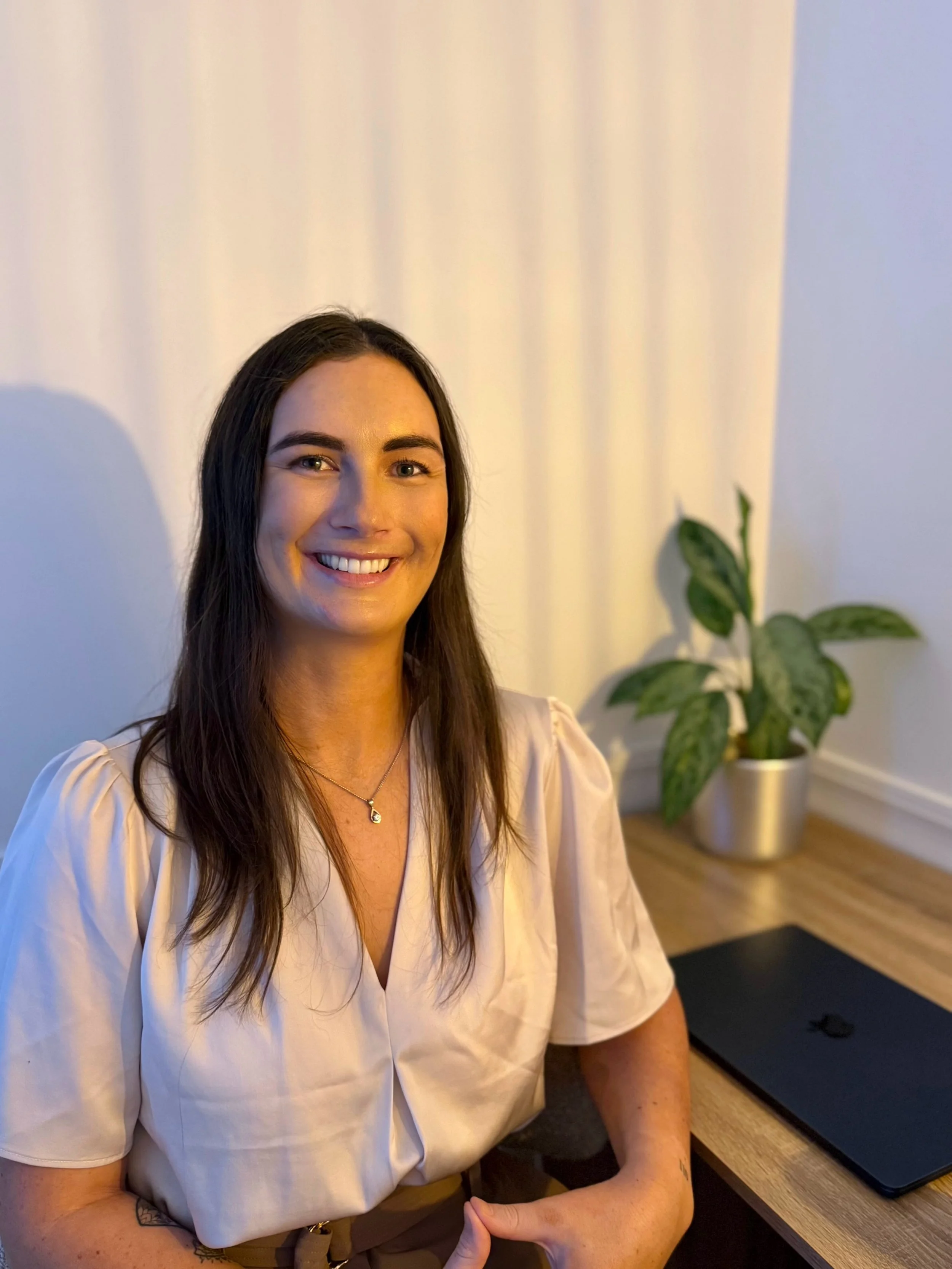
Brittany McInerney
Clinical Psychologist
B.A. (Hons) Psychology
Master of Psychology (Clinical)
About Brittany

Brittany is an endorsed Clinical Psychologist with postgraduate training in the assessment and treatment of a broad range of mental health presentations.
Her work is grounded in careful clinical reasoning and genuine human engagement. She approaches each session with curiosity, clarity, and respect for complexity. Conversations are reflective and honest, with space for direct discussion where helpful and thoughtful exploration where needed.
Brittany places strong value on creating an environment where people feel able to speak openly without fear of judgement or performance. The work is collaborative and purposeful, guided by formulation rather than rigid adherence to a single therapeutic model.
Drawing from a range of evidence-based approaches, treatment remains flexible and tailored to the individual.
Clinical Experience

In her clinical work, Brittany supports adolescents and adults across a broad range of emotional and psychological concerns.
Her experience spans presentations such as:
• anxiety
• depression
• adjustment difficulties
• stress and burnout
• grief
• obsessive-compulsive patterns
• ADHD
• trauma and trauma-related difficulties
• self critical or perfectionistic tendencies
This is not an exhaustive list. Rather than viewing concerns as fixed categories, Brittany approaches each presentation with curiosity about the broader patterns, context, and underlying processes involved.
Many individuals seek support without fitting neatly into a diagnostic label. Therapy often begins simply with a sense that something feels overwhelming, stuck, or difficult to navigate alone.